Veterans Recovering
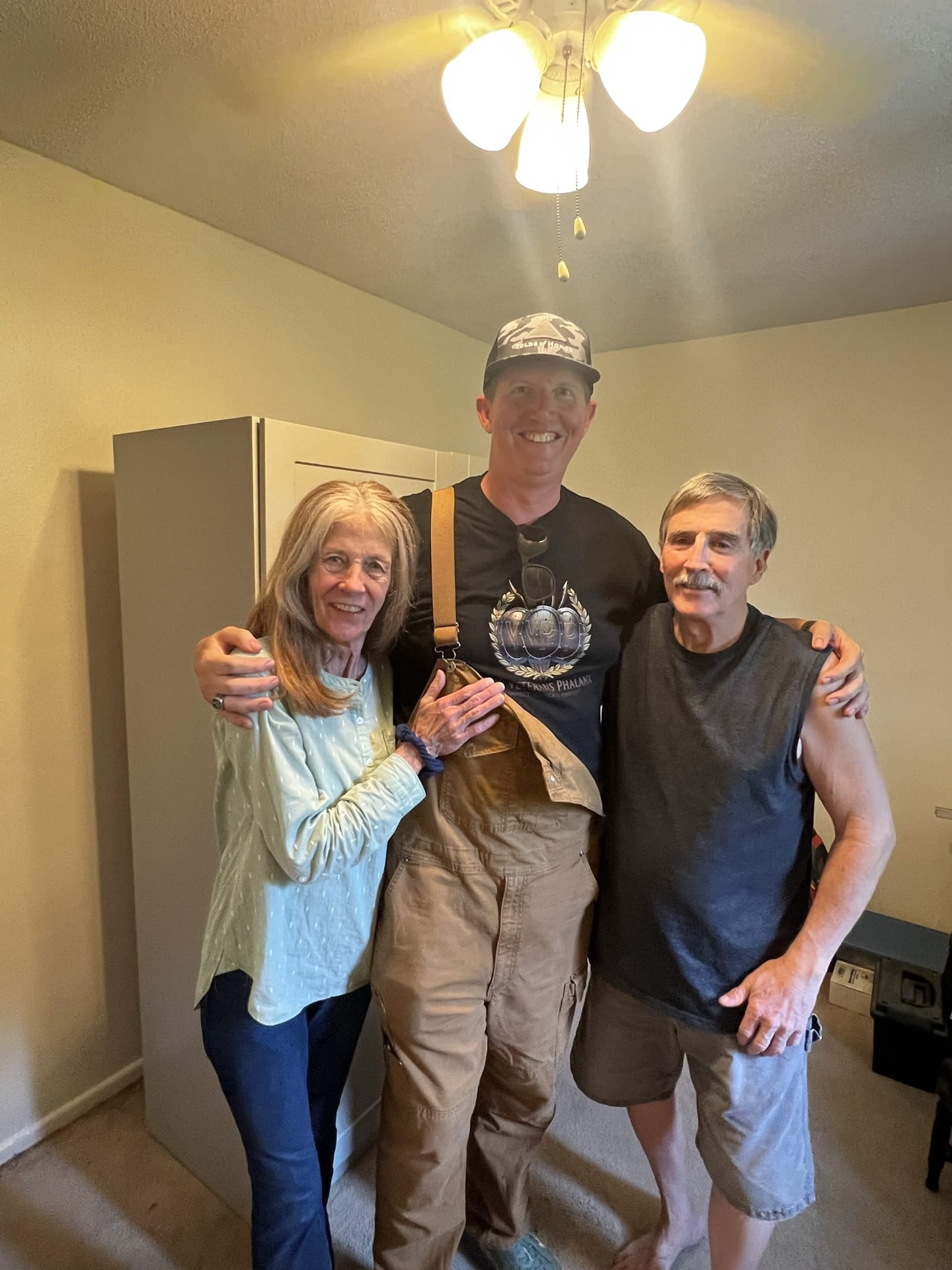
Veterans recovering from a procedure or health setback.
Practical household support for veterans and veteran households facing temporary hardship, recovery needs, or isolation.
Sometimes the need is not complicated. A veteran comes home from a procedure and the lawn still needs to be cut. A surviving spouse needs help getting groceries in the door. An elder veteran needs a small household task handled before it becomes a bigger problem. Homefront exists for those practical moments when steady support can help a veteran household stay safe, stable, and connected.
How Homefront provides support
Homefront provides practical, nonmedical support through approved purchases, materials, supplies, and vendor services.
What Homefront Is
Next Objective: Homefront is a practical-support program from The Veterans Phalanx. It helps veterans, surviving spouses, disabled veterans, elder veterans, isolated veterans, and veteran households facing temporary hardship or recovery needs. Homefront is built around direct assistance. When a request is approved, The Veterans Phalanx may purchase needed goods, order meals or groceries, supply materials, issue purpose-specific gift cards when necessary, or pay qualified vendors directly. This keeps support focused, accountable, and tied to a real household need.
Who Homefront Serves
Veterans recovering from a procedure or health setback.
Veterans without dependable family or caregiver support nearby.
Disabled veterans managing practical household barriers.
Elder veterans who need help with tasks that have become difficult.
Isolated veterans disconnected from regular support.
Surviving spouses connected to service.
Veteran households facing temporary hardship.
Veteran families dealing with short-term practical needs.
Requests
Requests should generally come from the veteran, surviving spouse, household member, or an authorized representative. This helps ensure the need is real, the request is understood, and the response is appropriate.
What Support May Look Like
Homefront support depends on the situation, available funding, volunteer capacity, and whether the request fits the program's purpose. Not every request can be approved.
Groceries or prepared meals delivered or made available to the household.
Essential household items needed to keep the home running.
Lawn mowing, yardwork, or outdoor tasks that have become unmanageable.
Light household tasks that help the home stay safe and functional.
Pet care support when a temporary need affects the whole household.
Cleanup or small home projects that remove a safety or stress burden.
Materials or supplies needed for a specific approved household task.
Equipment rental when it is the most practical way to meet the need.
Payment to qualified vendors for services tied to an approved request.
Practical support after a procedure or health setback, not medical care.
Disaster preparedness or recovery-related household needs when appropriate.
How Homefront Works
A veteran, surviving spouse, household member, or authorized representative contacts The Veterans Phalanx with a practical household need.
The Veterans Phalanx reviews the request to determine whether it fits Homefront, what support is appropriate, and whether funding or volunteer capacity is available.
When approved, support is provided through direct purchases, ordered goods, materials, purpose-specific gift cards when necessary, or direct vendor payment.
The goal is to meet the practical need with dignity, accountability, and as little burden on the veteran household as possible.
Referral Information
VA social workers, discharge planners, caregiver-support staff, and community partners may share Homefront information with veterans or families who may benefit from practical household support. The Veterans Phalanx does not require detailed medical information or a diagnosis to consider a Homefront request. The focus is on the practical need, the household situation, and whether the request fits the program.
What Homefront Is Not
Homefront is a practical household-support program. It is not medical care, emergency response, crisis care, or unrestricted financial assistance.
In an emergency
If someone is in immediate danger, call 911. If someone is in suicidal crisis or emotional distress, call or text 988 and press 1 for the Veterans Crisis Line.
Why Homefront Matters
A small practical need can become a major stressor when someone is recovering, isolated, aging, grieving, or trying to keep a household together. Homefront is designed to step into those gaps with practical help that preserves dignity and strengthens connection. This is not about doing everything for someone. It is about standing beside them at the right moment so a manageable problem does not become another burden carried alone.
Partnership
Sponsors and donors help make Homefront possible by funding groceries, prepared meals, household essentials, materials, equipment rental, and qualified vendor support for approved requests. This support allows The Veterans Phalanx to respond with practical help while keeping assistance accountable and mission-focused.
Latest Homefront Support
A Yard Back Under Control.
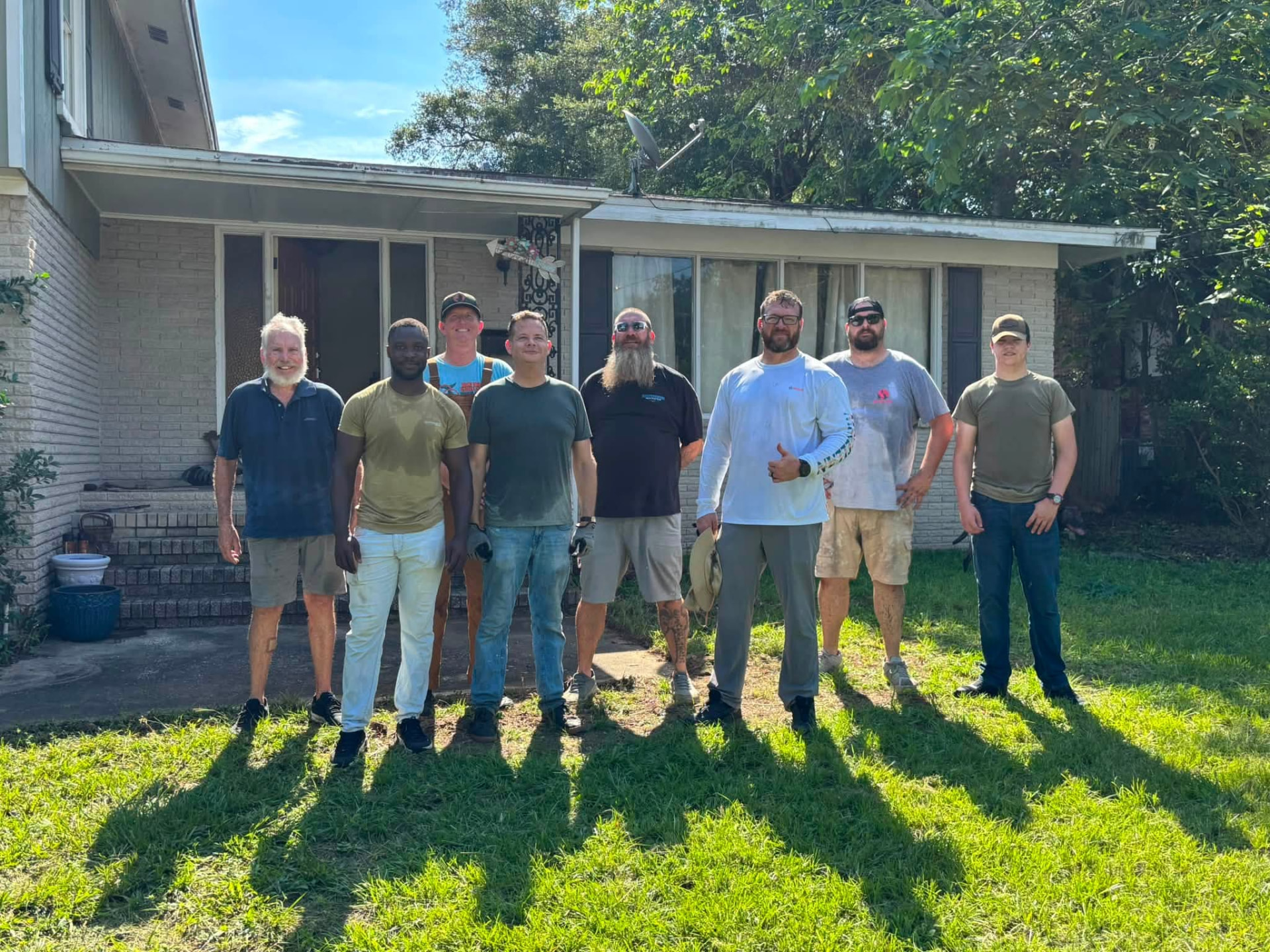
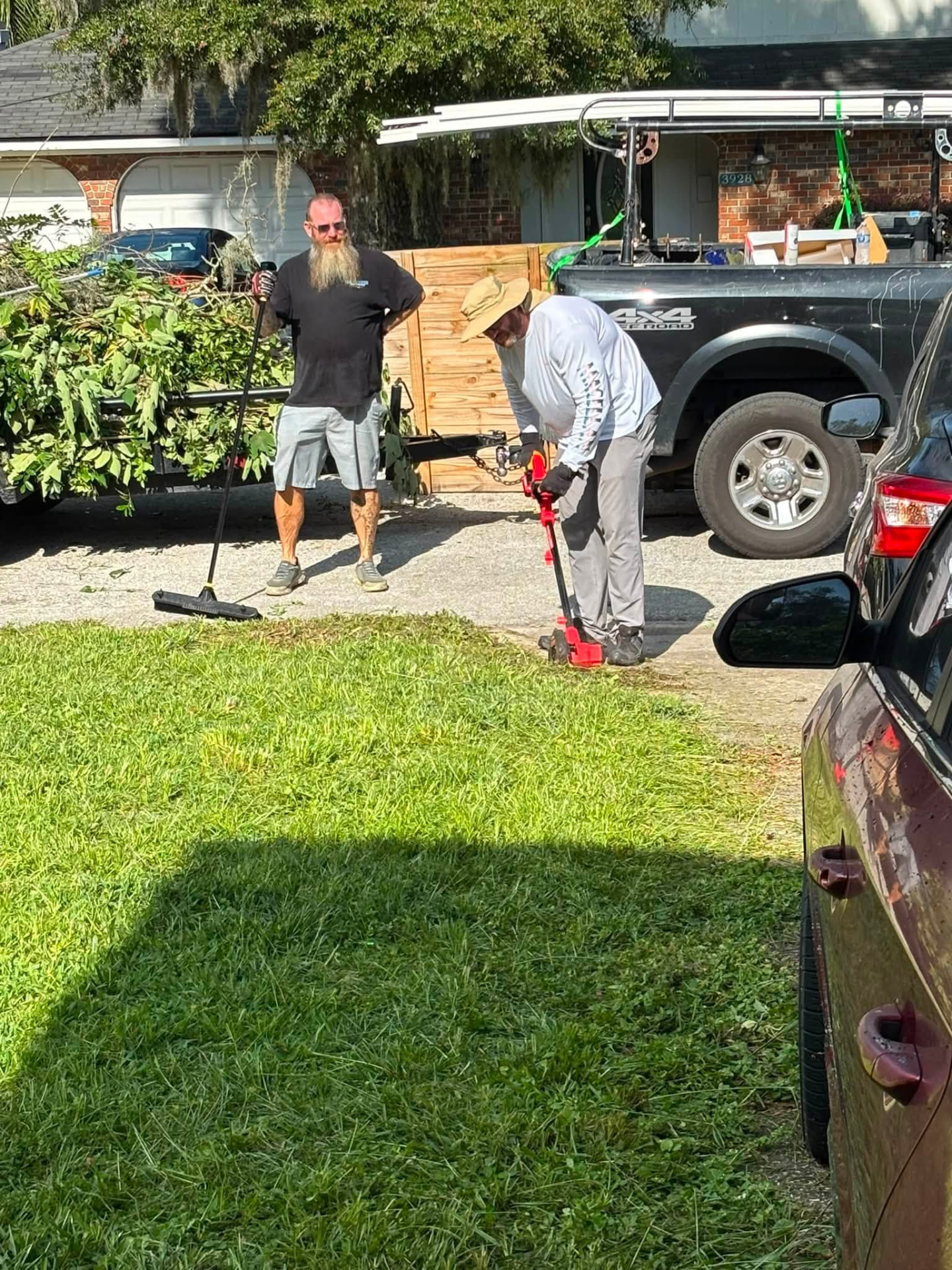
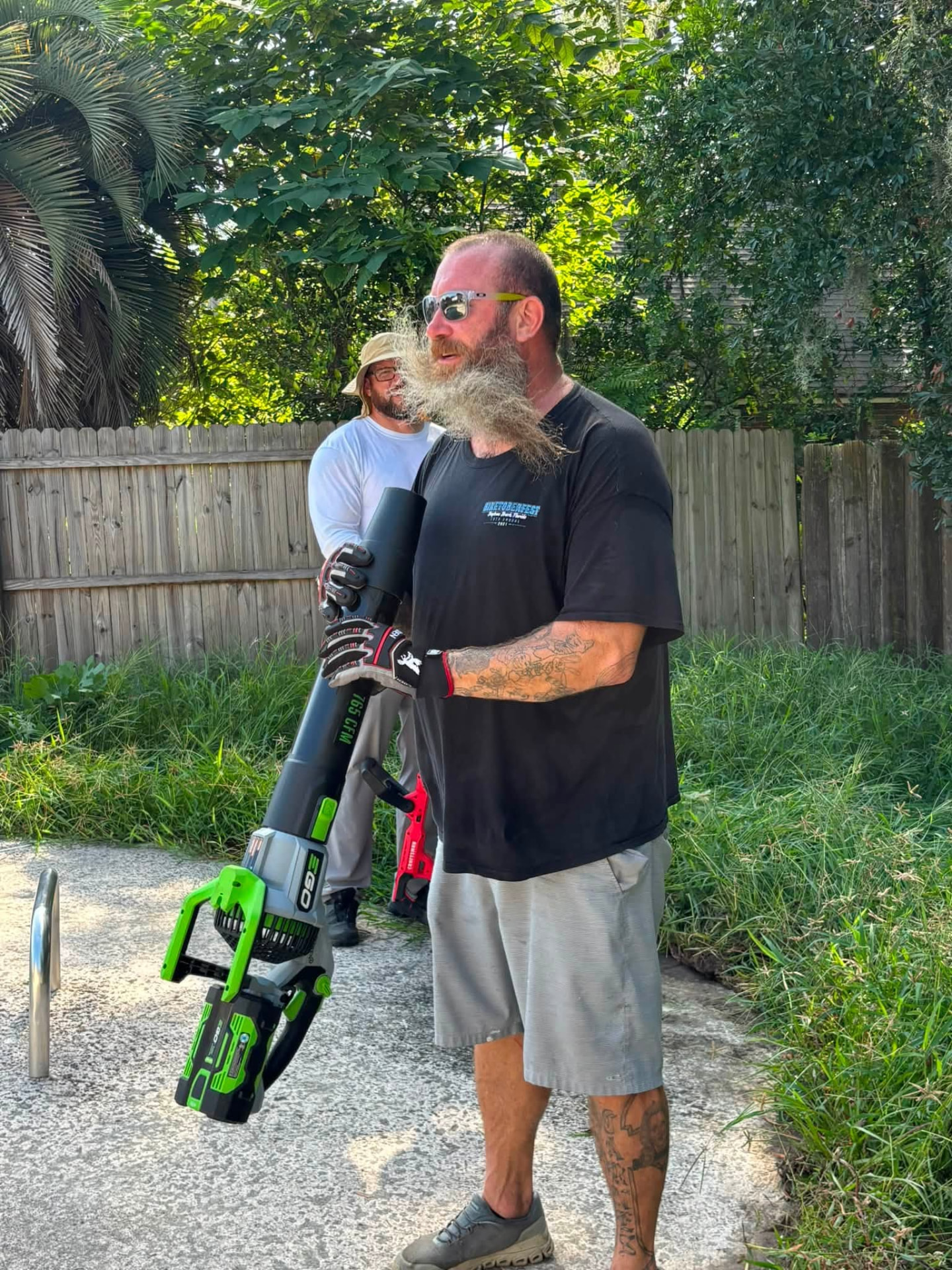
On August 28, 2026, a Homefront crew took on an overgrown property for a veteran household — mowing, edging, trimming back brush, and hauling off the debris.
It is practical, nonmedical work: the kind of task that gets away from a household fast and is hard to catch back up on alone.
The crew finished the job, cleaned up, and sat down together afterward. That is Homefront — real hands, real follow-through, and nobody left doing it alone.
Recent Homefront Support
The Grass Still Grows.
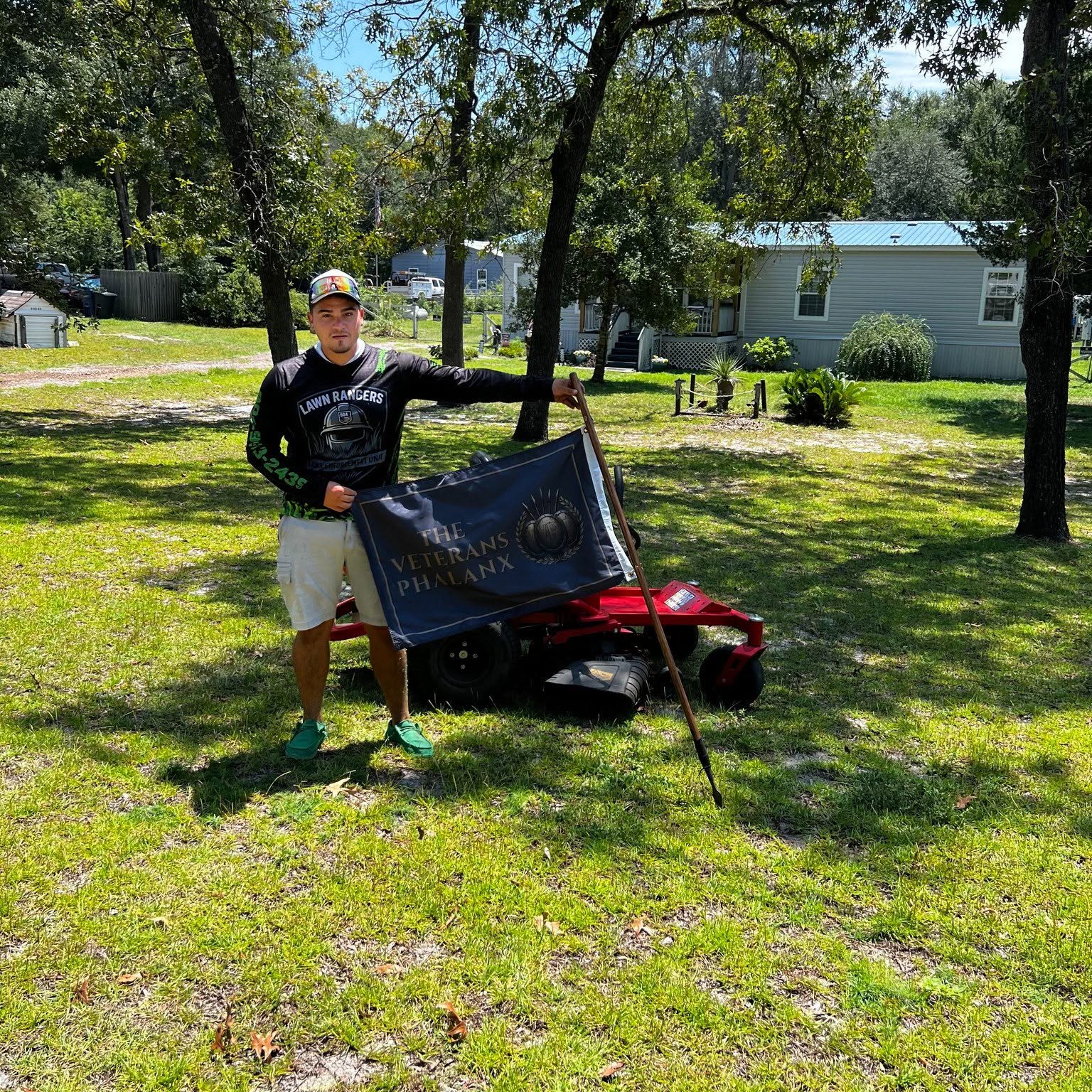
On August 17, 2026, an 81-year-old veteran battling cancer needed his yard cut. It is the kind of task that quietly stacks up when someone is in treatment — and exactly the kind of practical need Homefront exists to meet.
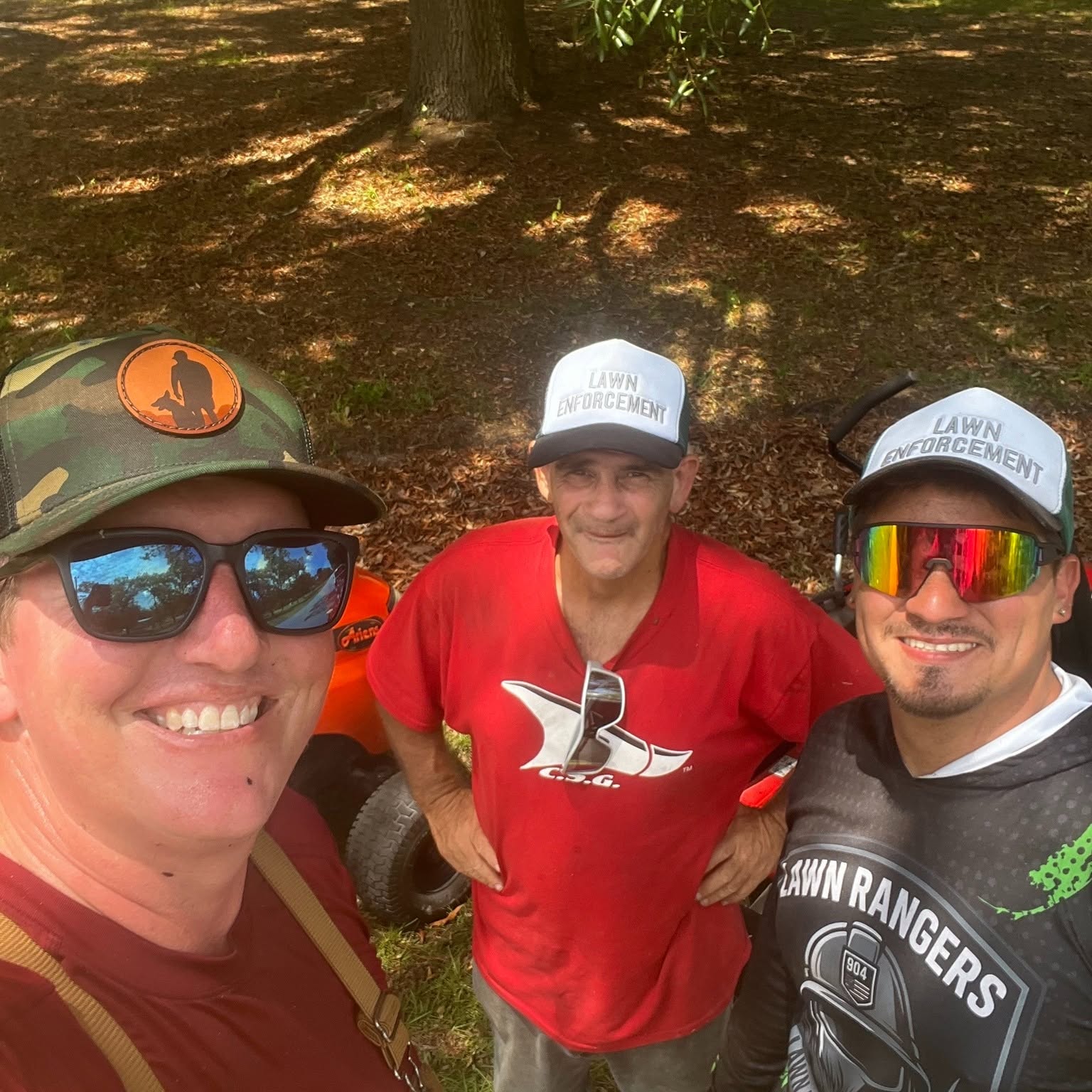
Lawn Rangers donated the cut. The Veterans Phalanx coordinated the request, showed up alongside them, and made sure the household was left better than we found it.
Thank you to Lawn Rangers for standing beside a veteran household when it mattered. This is what Homefront looks like in practice: a real need, a local partner, and follow-through.

If you are a veteran, surviving spouse, veteran household member, or authorized representative facing a short-term household need, contact The Veterans Phalanx. We will review the request and determine whether Homefront is the right fit.
More Programs
The advocacy arm of The Veterans Phalanx — veteran dignity, access, accountability, and steady nonpartisan public voice.
Relaxed veteran-centered gatherings built around conversation, community, and belonging.
Practical service projects and community outreach where veterans, families, and supporters serve side by side.
Peer-to-peer connection around transition, VA navigation, and life-after-service conversations.
Suicide prevention, postvention, awareness, and resource-bridge work — community presence, not crisis care.